Motherhood in the wild may look very different to what we know at home — but out here, “momming” happens in its own remarkable way. Across the African bush, mothers nurture, protect, teach, and guide their young through some of nature’s toughest challenges.
At Elephant Rock, game drives offer a glimpse into these incredible stories of motherhood in the wild.
The Gentle Giants – Elephants
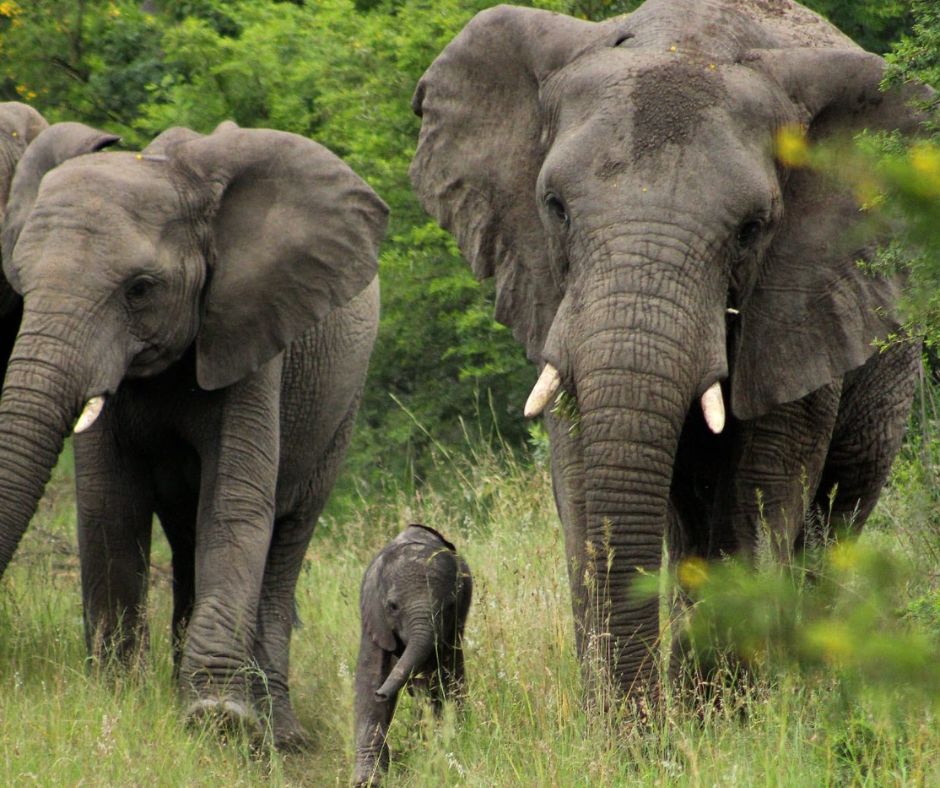
Elephant mothers are among the most devoted. With an incredible 22-month gestation period — the longest of any land mammal — every calf is deeply cherished within the herd.
But motherhood in elephant society is never a solo journey. Female elephants practise allo-mothering, often called “nannying,” where younger females help care for calves before having babies of their own. These aunties help guide and protect the little ones while learning valuable maternal skills themselves.
Older females teach calves what to eat, where to walk, and how to survive in the bush. It truly takes a herd to raise an elephant calf.
Lionesses – Strength in Sisterhood
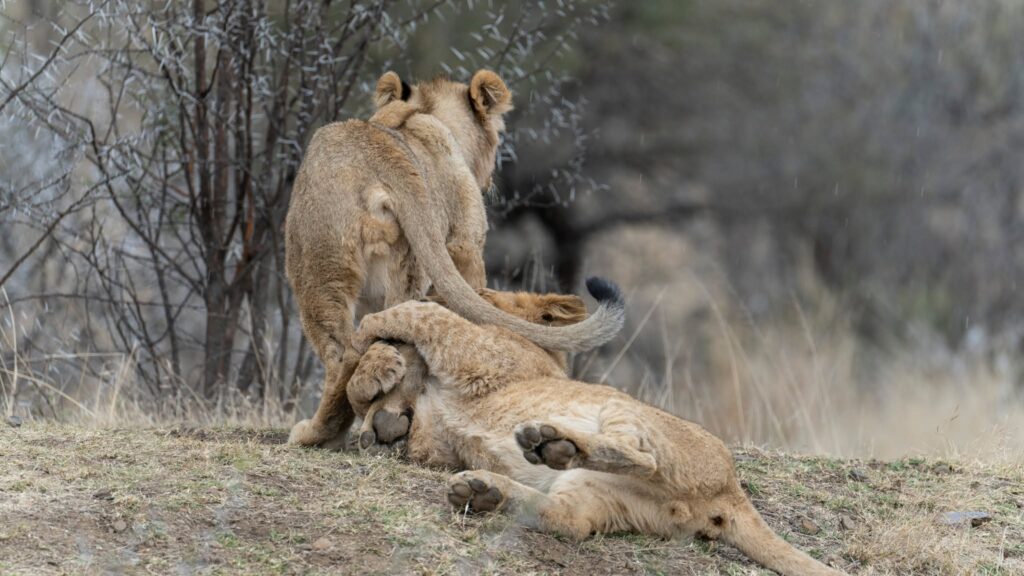
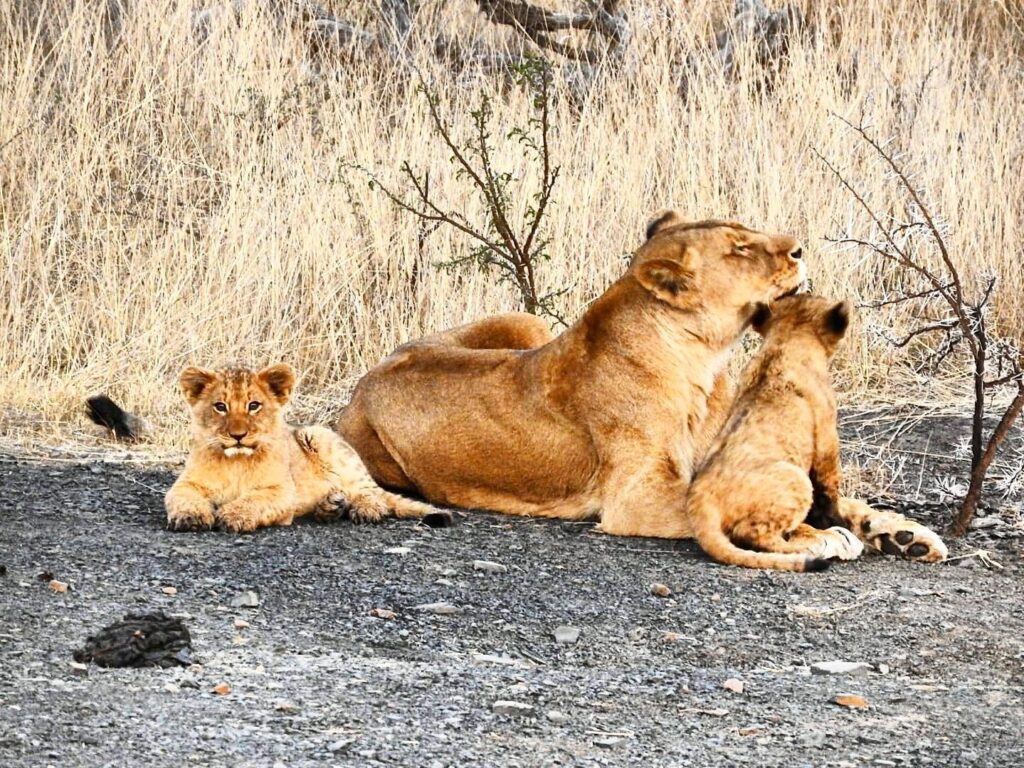
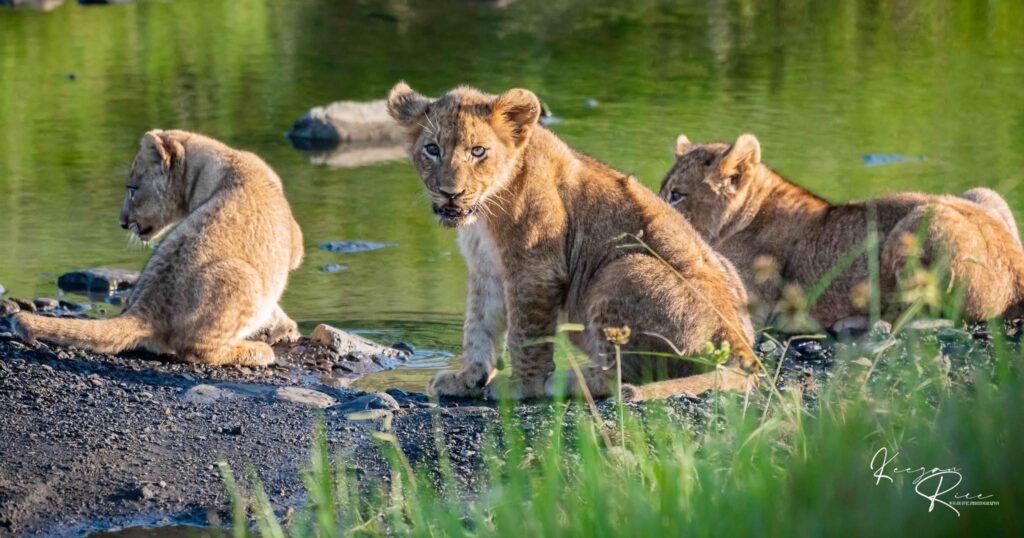
Lion prides are built around strong family bonds between females. Interestingly, lionesses
may synchronise their breeding cycles, giving birth around the same time. This allows
mothers to suckle and care for one another’s cubs — a remarkable example of teamwork in
the wild.
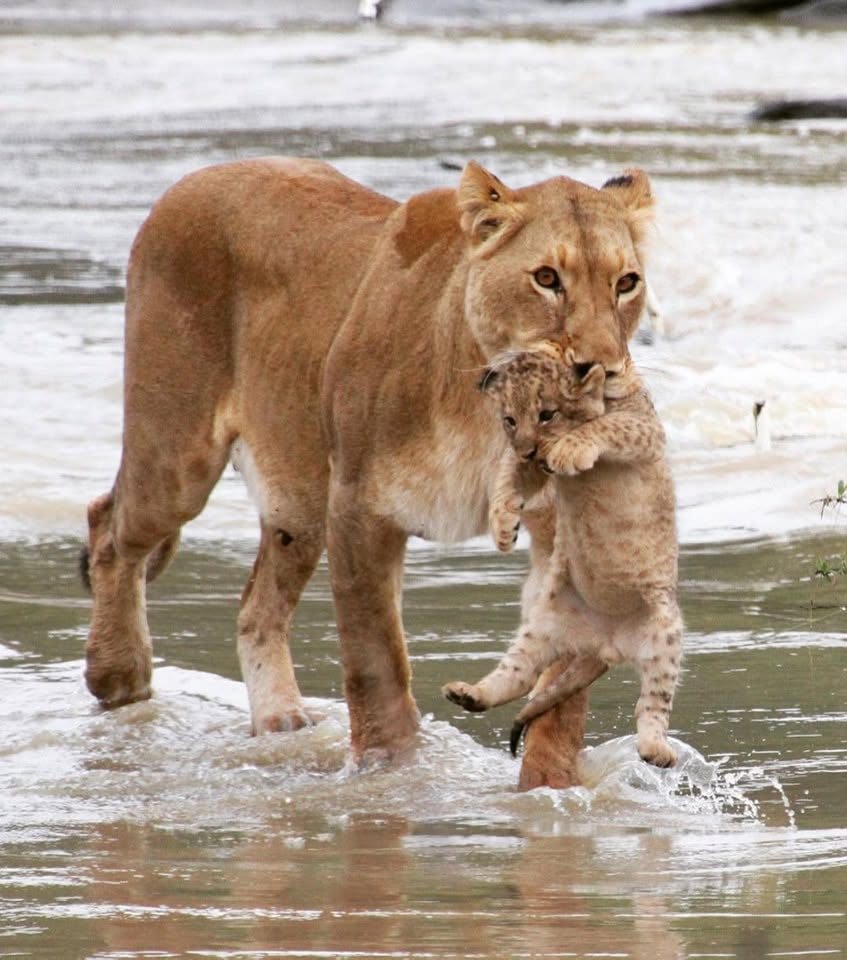
A lioness may give birth to anywhere between one and six cubs. However, if one mother gives birth much later than the others and her cubs are noticeably younger, she will often keep them hidden away from the pride for longer to ensure their safety.
Even Africa’s fiercest predators show extraordinary tenderness when it comes to their young.
Cheetahs – Quiet, Careful, and Constantly Moving
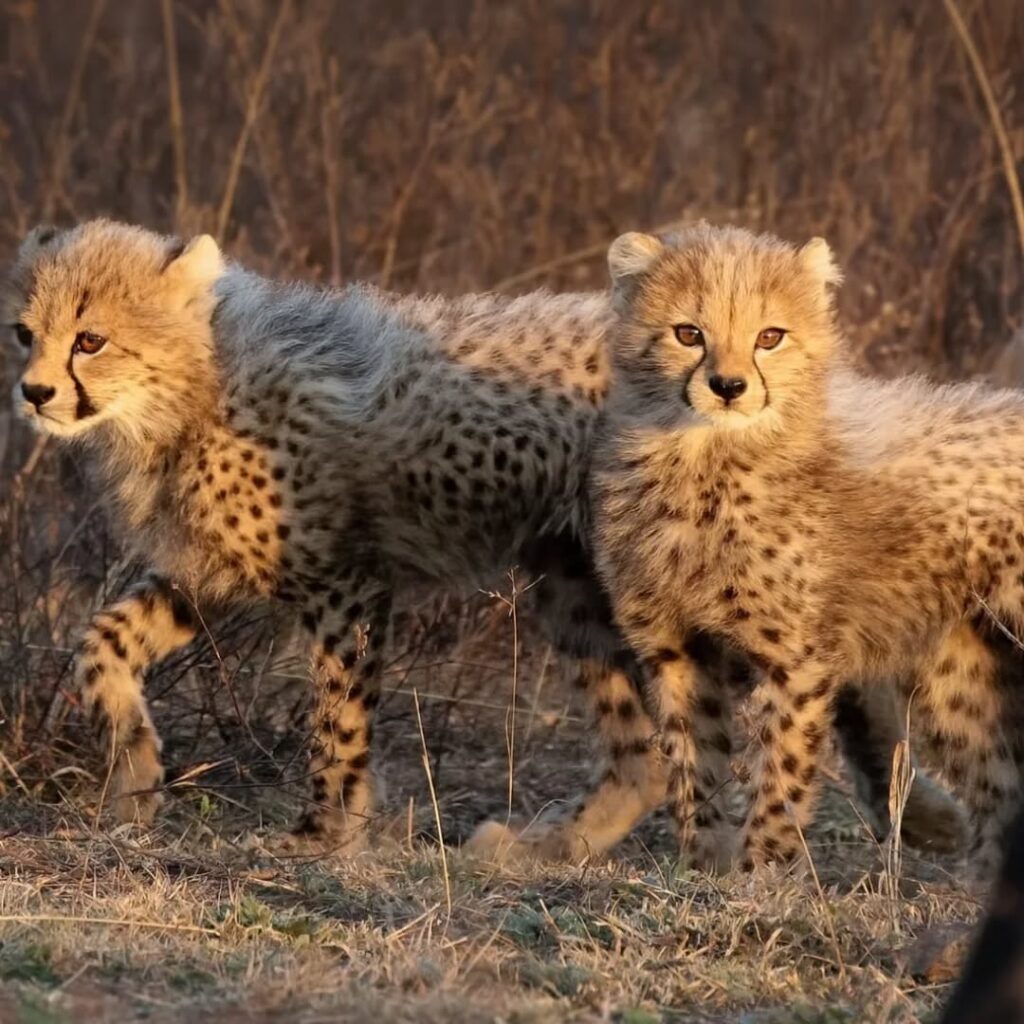
Cheetah mothers are incredibly attentive. Because cubs are vulnerable to predators, mothers regularly move them from place to place to remain undetected. When the cubs are very young, the mother carries them one at a time to each new hidingspot — a patient and exhausting process. From around five weeks old, she begins introducing them to meat by bringing food back to them, slowly teaching them the skills theywill one day need to survive on their own.
For a solitary predator, motherhood is a full-time balancing act between protection and preparation.
Images from: Andrea Sander & Carol Malley
Giraffes – A Gentle Beginning
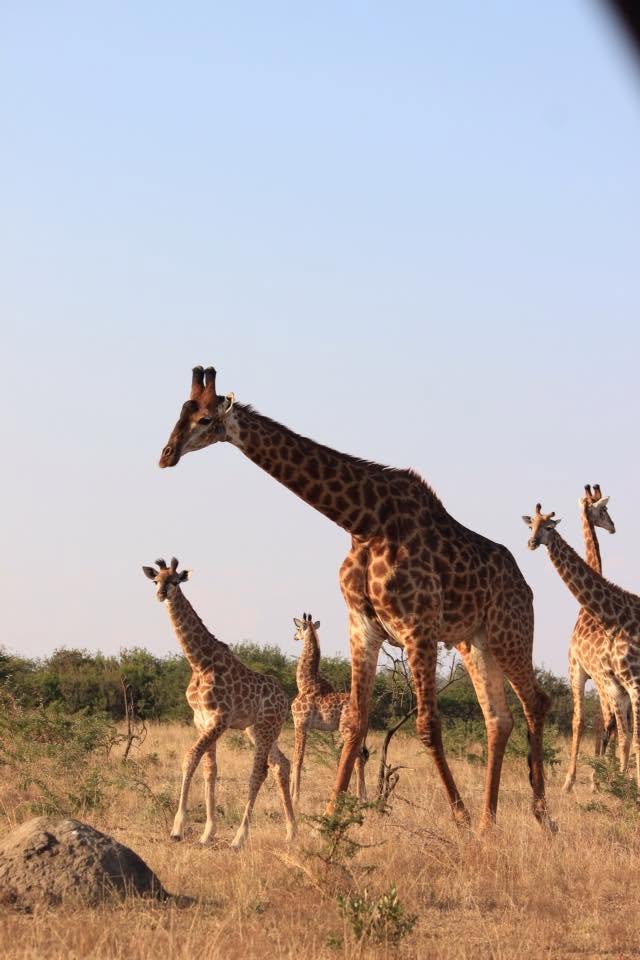
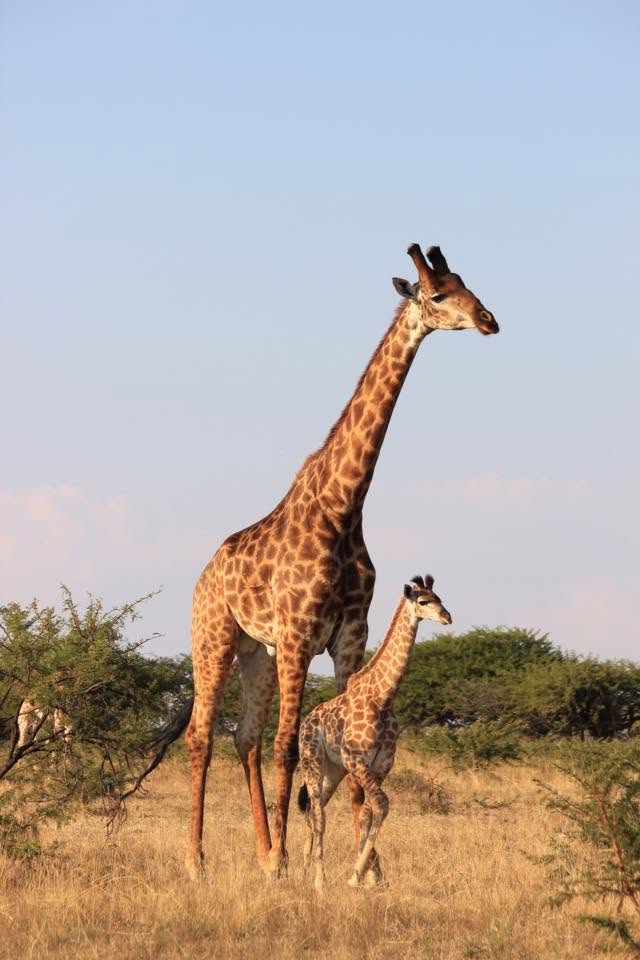
Giraffe mothers carry their calves for around 15 months, making them the only ruminants with a gestation period longer than a year.
Many people believe the famous two-metre drop during birth is necessary to start the calf’s heart beating — but this is actually a myth. In reality, giraffe mothers squat as much as possible during birth to help ensure the calf’s hooves touch the ground first, softening the arrival into the world.
Within hours, calves are already attempting to stand and walk beside their mothers — ready to begin life on the African plains.
Nature’s Version of Motherhood
Whether it’s a lioness sharing nursing duties, a cheetah mother carefully hiding her cubs, or an elephant herd raising calves together, motherhood in the bush is filled with resilience, instinct, patience, and care.
Out here, momming may look a little different — but it is no less extraordinary.