Dads on Safari: What the Bush Can Teach Us About Fatherhood
When we think of family life on safari, it’s easy to picture elephant calves tucked safely between their mothers or lion cubs tumbling through the grass. But fatherhood in the African bush looks very different depending on the species.
Some fathers are devoted protectors. Others play almost no role in raising their young. And some may never even meet the offspring they help create.
One of the most fascinating parts of a safari at Elephant Rock is discovering that there is no single “right” way to survive in nature. Every species has evolved its own strategy, each perfectly suited to life in the wild.
Here’s a look at some of the bush’s most interesting fathers.
The Lion: Protector of the Pride
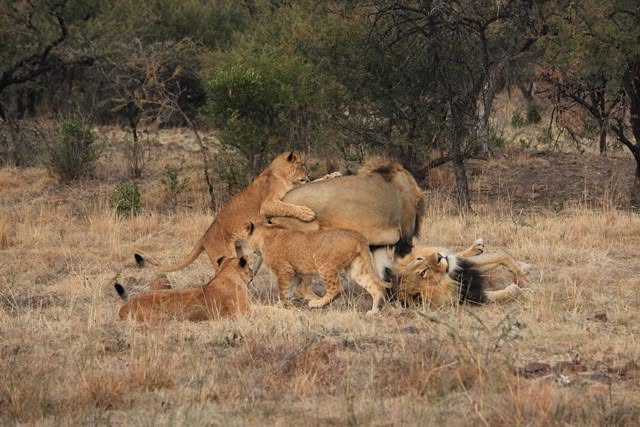
If there is one animal often associated with fatherhood, it’s the lion.
A dominant male lion’s primary role isn’t feeding the cubs—that responsibility belongs to the lionesses. Instead, he protects the pride’s territory from rival males and other threats. His strength gives the cubs the chance to grow up safely.
You’ll often see him resting while the lionesses hunt, but appearances can be deceiving. Patrolling territory, defending the pride, and confronting rivals requires enormous energy and comes with significant risk.
Without that protection, cub survival becomes far less certain.
The Elephant: A Different Path
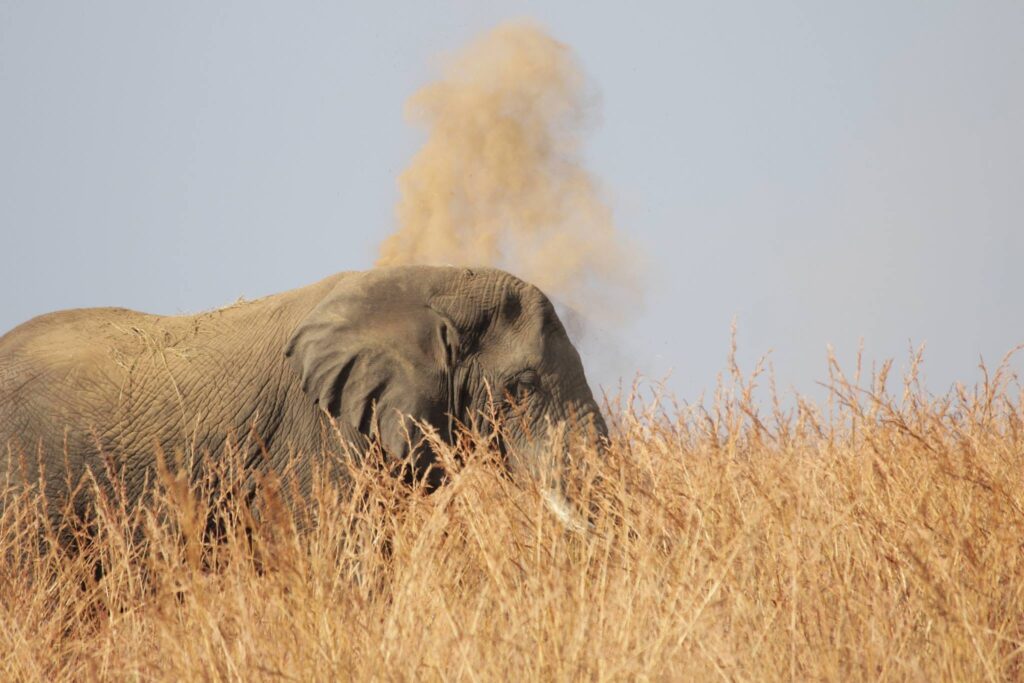
Elephant families are built around mothers, grandmothers, sisters, and aunts.
Male elephants leave their family herds as teenagers, gradually becoming more independent before spending much of their adult lives alone or with other bulls.
As adults, bulls return to female herds only when breeding. They don’t help raise calves, but they still play an important role in maintaining healthy genetics and strong elephant populations.
For many safari guests, it’s surprising to learn that the magnificent lone bull standing quietly beneath an acacia tree was once a playful calf protected by a close-knit family.
The Giraffe: A Passing Presence
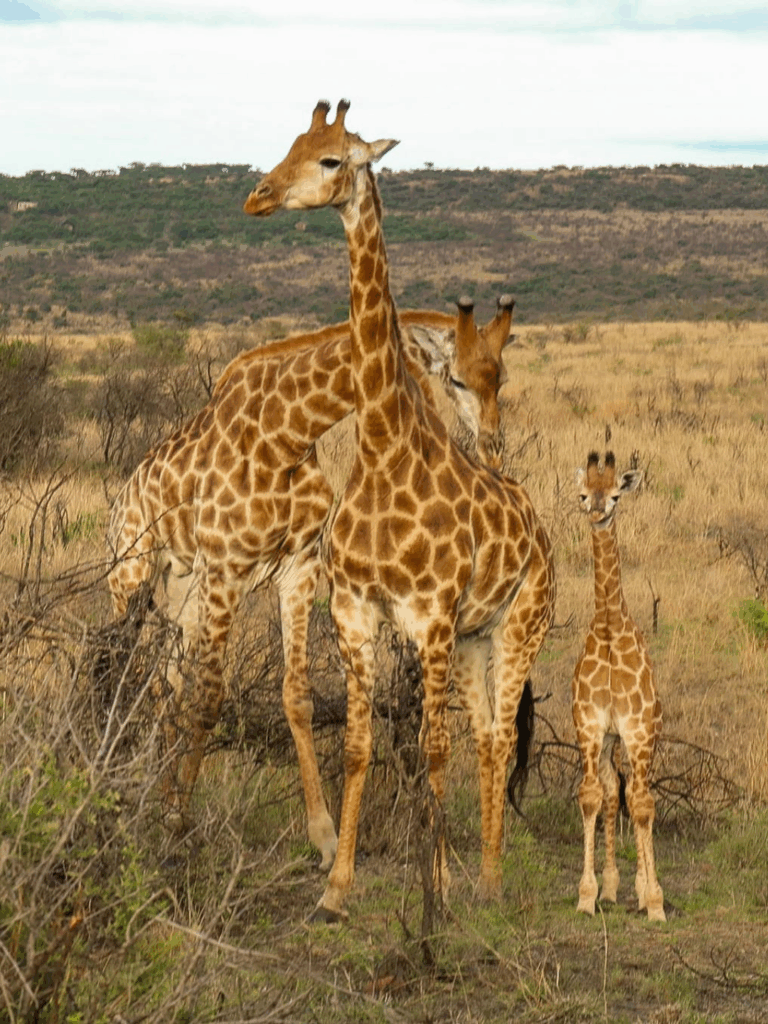
Male giraffes follow a very different path to their female counterparts. As young bulls mature, they leave the groups they were born into and begin ranging more widely, travelling alone or forming loose, temporary associations with other males.
Unlike females, which remain in stable family groups, adult bulls do not stay to raise their offspring. After mating, they continue on their journeys, while mothers raise their calves within close-knit social groups of related females.
Young giraffes depend entirely on these female family networks during their first months of life, learning where to feed, when to move, and how to navigate a landscape filled with predators.
The impressive bulls guests encounter on safari are often simply passing through—a reminder that, for male giraffes, fatherhood is about ensuring the next generation begins, while the responsibility of raising it rests with the mothers.
Photo Credit: Natalie Clark
Photo Credit: kissmyiso
The Impala: A Season of Fatherhood
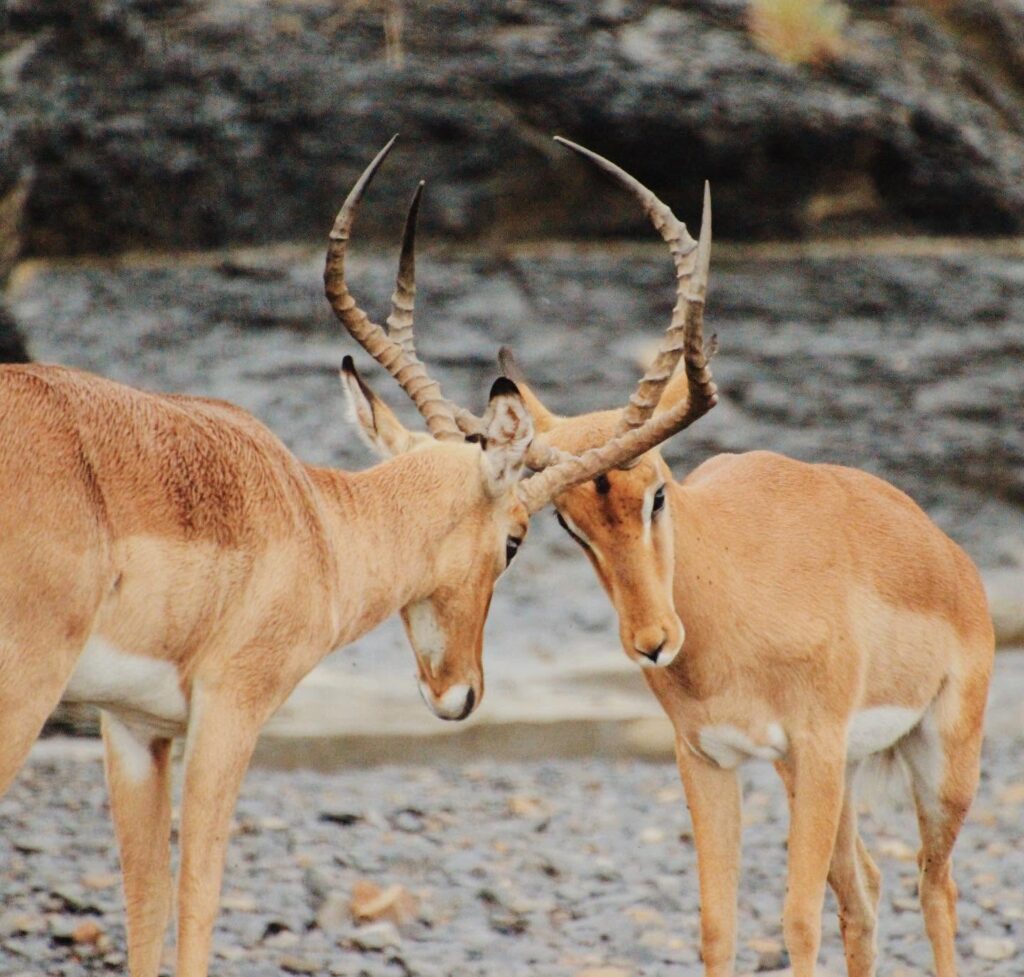
For impala rams, fatherhood is intense but brief.
During the rut, dominant males compete fiercely to establish and defend territories, gathering and holding harems of breeding females. In this time, they spend weeks challenging rivals, maintaining boundaries, and often eating very little as their focus remains on mating opportunities.
Once the breeding season ends, the harem structure dissolves, and females regroup with other females and their young to form nursery herds. The males move on—often becoming more solitary or forming loose bachelor groups—while the females raise the lambs without further male involvement.
It is a demanding, short-lived role, but one that ensures only the strongest males pass on their genes.
Every Family Has Its Own Story
One of the greatest joys of safari is looking beyond the “Big Five” checklist and noticing the smaller moments unfolding around you.
A lone elephant bull. A pair of lions resting in the shade or moving quietly through the grass. A giraffe browsing the treetops. An impala ram watching over his territory.
Each offers a different insight into survival, adaptation, and life in the African wilderness.